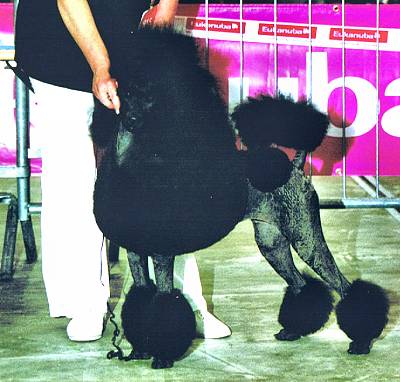
Bringing a poodle puppy into your life is one of the most rewarding decisions a dog lover can make. Poodles are intelligent, affectionate, and remarkably versatile companions, excelling as family pets, show dogs, and performance partners alike. However, the key to a successful poodle ownership experience lies in choosing the right puppy from a responsible breeder. In Scandinavia, where breeding standards are among the highest in the world, the process of finding and selecting a puppy follows well-established guidelines that protect both buyers and dogs.
Finding a Reputable Breeder
The first and most important step in acquiring a poodle puppy is identifying a reputable breeder. In the Scandinavian countries, the best starting point is the national poodle breed club in your country: Dansk Pudelklub in Denmark, Norsk Pudelklubb in Norway, Svenska Pudelklubben in Sweden, or Suomen Villakoirayhdistys in Finland. These organizations maintain lists of member breeders who have committed to following breed club ethical guidelines and health testing requirements.
Attending dog shows, particularly poodle specialty shows, is another excellent way to identify breeders whose dogs appeal to you. Shows provide an opportunity to see many dogs from different kennels in one place, to observe the temperament and presentation of each breeder's dogs, and to begin conversations with breeders about their breeding philosophy and planned litters. Most Scandinavian breeders welcome genuine inquiries from potential puppy buyers at shows, though it is courteous to wait until after their dogs have finished being judged before engaging in detailed conversation.
Online resources, including breeder websites and the kennel club databases, can provide valuable background information. The open health databases maintained by the Nordic kennel clubs allow you to research the health testing history of any registered dog, giving you the ability to verify a breeder's claims about health testing independently. Look for breeders who are transparent about their dogs' health results and who welcome questions about hereditary conditions in their lines.
Questions to Ask the Breeder
When you have identified potential breeders, prepare a list of questions to ask. A responsible breeder will appreciate your thoroughness and will answer openly. Key questions include the following:
What health tests have been performed on both parents? At minimum, you should expect DNA testing for prcd-PRA and von Willebrand Disease, eye examination by a veterinary ophthalmologist, and, for Standard and Medium Poodles, hip dysplasia screening. Many breeders perform additional tests beyond the minimum requirements.
What is the temperament of the parents? Can you meet the dam (mother) and, if possible, the sire (father)? Meeting the parents gives you valuable insight into the likely temperament and behavior of the puppies. The dam should be friendly and well-adjusted, showing neither aggression nor excessive shyness. If the sire is not available to meet, ask for references from other owners of his offspring.
How are the puppies socialized? Good breeders expose puppies to a range of stimuli during the critical socialization period between three and twelve weeks of age. This includes handling by different people, exposure to household sounds, introduction to various surfaces and environments, and positive experiences with other animals. Ask about the breeder's specific socialization protocol and whether they follow any structured programs.
What registration and documentation will be provided? Puppies from responsible Scandinavian breeders should come registered with the relevant national kennel club (DKK, NKK, SKK, or Finnish Kennel Club). They should also receive a puppy pack that includes vaccination records, deworming history, a signed contract of sale, feeding instructions, and information about the breed. Many breeders also provide a pedigree copy and photographs of the parents.
Does the breeder offer ongoing support? The relationship between breeder and puppy buyer should not end when the puppy leaves the kennel. Good breeders offer lifetime support, are available to answer questions as the puppy grows, and are willing to take the dog back at any point in its life if the owner's circumstances change. This commitment to their puppies' welfare is a hallmark of responsible Scandinavian breeding.
Evaluating Puppies
When you visit a litter, there are several things to observe and evaluate. Healthy poodle puppies should be lively, curious, and willing to interact with visitors. They should have clear, bright eyes, clean ears, and a coat that is soft and free of parasites. The puppies should be clean, well-nourished, and housed in a sanitary environment with access to toys and enrichment.
If you are seeking a show prospect, your evaluation criteria will be more specific. The breeder can guide you through the process of assessing puppies for conformation potential, examining aspects such as head shape, bite alignment, body proportions, bone structure, and movement. It is important to understand that even experienced breeders cannot guarantee that a puppy will develop into a show champion, as many aspects of conformation only become apparent as the dog matures. What a knowledgeable breeder can tell you is which puppies in the litter show the most promise based on their current development and the qualities of previous litters from the same or similar breeding combinations.
For companion buyers, temperament should be the primary consideration. Spend time observing the puppies individually and as a group. Notice which puppies are bold and outgoing, which are more reserved, and how they respond to gentle handling and new situations. A good breeder will help match you with a puppy whose temperament suits your lifestyle and experience level. An active family with children might be best suited to a confident, outgoing puppy, while a quieter household might thrive with a calmer, more laid-back individual.
Kennel Club Registration
In all four Scandinavian countries, purebred poodle puppies should be registered with the national kennel club. Registration provides official documentation of the puppy's pedigree, breed, and parentage, and is essential if you wish to participate in dog shows, breeding programs, or performance events in the future. Even if you plan to keep your poodle purely as a companion, registration provides a record of the dog's lineage and breeding history that can be valuable for health and identification purposes.
The registration process is typically handled by the breeder before the puppies leave the kennel. Each puppy receives an individual registration number and is recorded in the national studbook. In Scandinavia, the kennel clubs maintain open databases where the registration details, pedigree, and health test results of any registered dog can be freely viewed online. This transparency is one of the strengths of the Nordic kennel club system.
Be cautious of breeders who are unable or unwilling to provide kennel club registration for their puppies. While there may be legitimate reasons in rare cases, the absence of registration is often a warning sign that the breeder does not meet the standards required by the kennel club, or that the puppies may not be purebred. Always insist on proper registration documentation before purchasing a puppy.
The Purchase Contract
Responsible Scandinavian poodle breeders will provide a written contract of sale that outlines the terms and conditions of the purchase. This contract typically includes the purchase price, any conditions related to breeding rights (if applicable), health guarantees, and return policies. Many contracts specify that the breeder has the right of first refusal if the owner can no longer keep the dog, ensuring that the breeder's puppies always have a safety net.
Read the contract carefully before signing and ask for clarification on any points you do not understand. The contract is a legal document that protects both parties, and its thoroughness is generally an indicator of the breeder's professionalism and commitment to their puppies' lifelong welfare.
Bringing Your Puppy Home
Most Scandinavian breeders release their puppies to new homes between eight and twelve weeks of age. By this time, the puppies should have received their initial vaccinations, been dewormed, and undergone a veterinary health check. The breeder will typically provide a small supply of the food the puppies have been eating, along with a familiar blanket or toy that carries the scent of the litter, helping the puppy transition to its new environment.
Before your puppy arrives, prepare your home with appropriate supplies: a crate or puppy pen, food and water bowls, appropriate puppy food, chew toys, a collar and leash, and grooming tools suitable for a puppy coat. Establish a relationship with a veterinarian who is knowledgeable about the poodle breed, and schedule an initial health check within the first few days of bringing your puppy home.
The early weeks with your new poodle puppy are a critical period for bonding, socialization, and establishing routines. Continue the socialization work begun by the breeder, introducing your puppy to new experiences, people, and environments in a positive and gradual manner. Enroll in a puppy socialization class, which provides structured opportunities for your puppy to interact with other dogs and people in a safe setting. Begin basic training using positive reinforcement methods, and establish consistent rules and boundaries from the start.
Choosing a poodle puppy in Scandinavia is a process that rewards patience and diligence. By selecting a responsible breeder, asking the right questions, and taking the time to find the right individual puppy for your circumstances, you lay the foundation for many years of joy and companionship with one of the most wonderful breeds in the canine world.